WORKS / CHAPTER IV /
WORKS / CHAPTER IV /
WORKS / CHAPTER IV /
CONFIDENTIALITY NOTICE:
CONFIDENTIALITY NOTICE:
DUE TO NDA RESTRICTIONS, SPECIFIC DETAILS, FUNCTIONALITIES AND NAMES HAVE BEEN ALTERED OR OMITTED.
MOCKUPS AND PROTOTYPES ARE ILLUSTRATIVE AND DO NOT REPRESENT THE ORIGINAL WORK.
FOR MORE INFORMATION, please contact me here.
DUE TO NDA RESTRICTIONS, SPECIFIC DETAILS, FUNCTIONALITIES AND NAMES HAVE BEEN ALTERED OR OMITTED.
MOCKUPS AND PROTOTYPES ARE ILLUSTRATIVE AND DO NOT REPRESENT THE ORIGINAL WORK.
FOR MORE INFORMATION, please contact me here.
DUE TO NDA RESTRICTIONS, SPECIFIC DETAILS, FUNCTIONALITIES AND NAMES HAVE BEEN ALTERED OR OMITTED. MOCKUPS AND PROTOTYPES ARE ILLUSTRATIVE AND DO NOT REPRESENT THE ORIGINAL WORK.
FOR MORE INFORMATION, please contact me here.
SciGenie: Fuelling the Vision of Tomorrow’s Science
SciGenie is a web application which revolutionizes research by identifying disease-genes associations, extracting key patent insights and facilitating seamless collaboration. With AI assistance, it transforms research proposals into impactful scientific contributions.
SciGenie is a web application which revolutionizes research by identifying disease-genes associations, extracting key patent insights and facilitating seamless collaboration. With AI assistance, it transforms research proposals into impactful scientific contributions.


client
client
client
Global pharmaceutical leader
Global pharmaceutical leader
Global pharmaceutical leader
time
time
time
4 months
4 months
4 months
team members
team members
team members
Project Manager
Project Manager
Project Manager
2 Product Owners
2 Product Owners
2 Product Owners
Solution Architect
Solution Architect
Solution Architect
2 Frontend Developers
2 Frontend Developers
2 Frontend Developers
Backend Developer
Backend Developer
Backend Developer
UX/UI designer & BA (me)
UX/UI designer & BA (me)
UX/UI designer & BA (me)
Data Engineer
Data Engineer
Data Engineer
Data Analyst
Data Analyst
Data Analyst
DevOps Engineer
DevOps Engineer
DevOps Engineer
my roles
my roles
my roles
UX/UI Designer
UX/UI Designer
UX/UI Designer
UX Writer
UX Writer
UX Writer
UX Researcher
UX Researcher
UX Researcher
Business Analyst
Business Analyst
Business Analyst
Audience
Audience
Audience
1
1
1
Researchers
Researchers
Researchers
Identify genes linked to diseases, explore related patents and internal project data, collaborate with peers, and create target proposals based on established guidelines.
Identify genes linked to diseases, explore related patents and internal project data, collaborate with peers, and create target proposals based on established guidelines.
Identify genes linked to diseases, explore related patents and internal project data, collaborate with peers, and create target proposals based on established guidelines.
2
2
Evaluators
Evaluators
Evaluators
2
Review and assess target proposals, provide constructive feedback to researchers and participate in peer reviews to ensure consistency and quality across evaluations.
Review and assess target proposals, provide constructive feedback to researchers and participate in peer reviews to ensure consistency and quality across evaluations.
Review and assess target proposals, provide constructive feedback to researchers and participate in peer reviews to ensure consistency and quality across evaluations.
Challenge
Challenge
Challenge
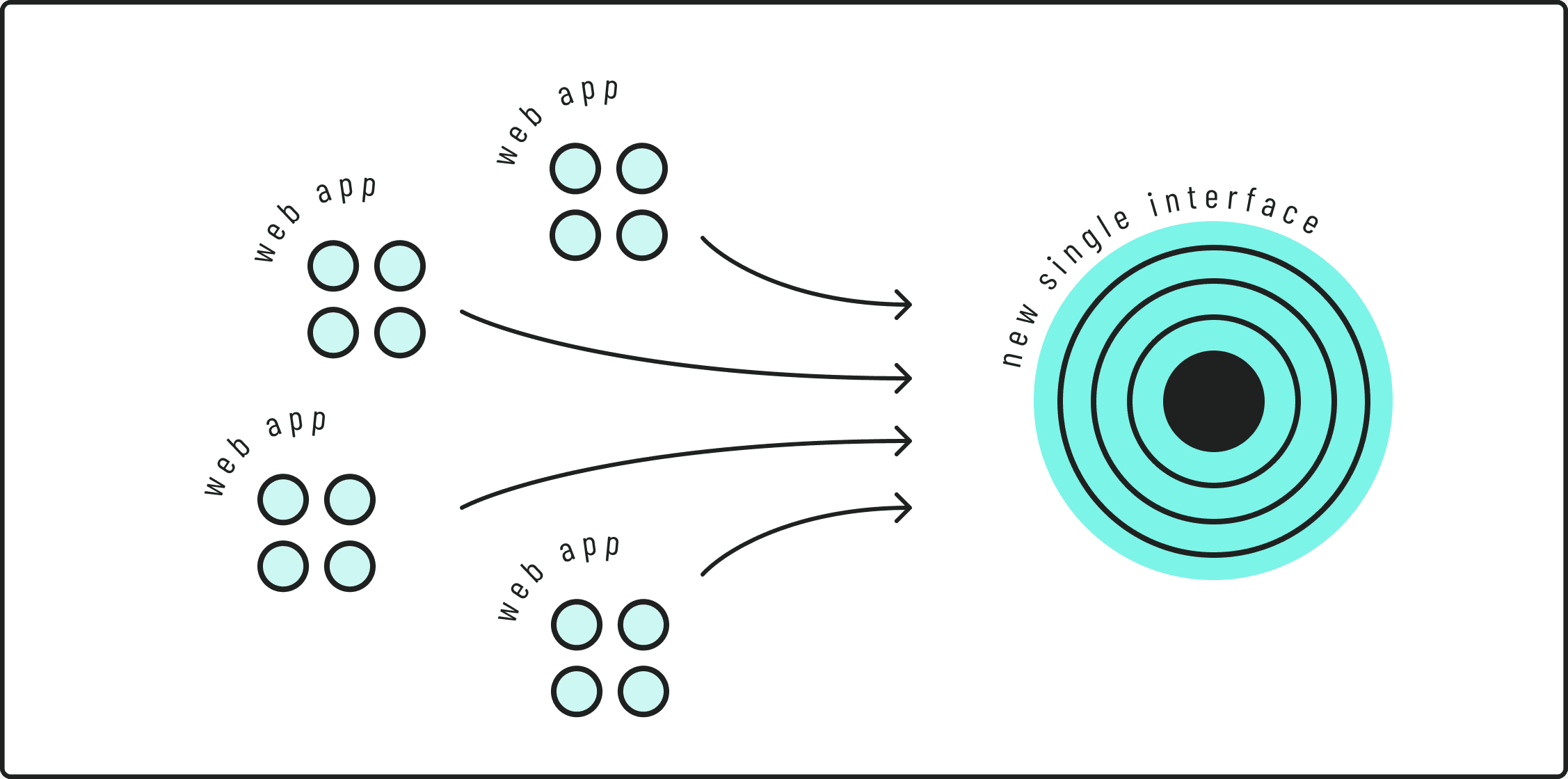
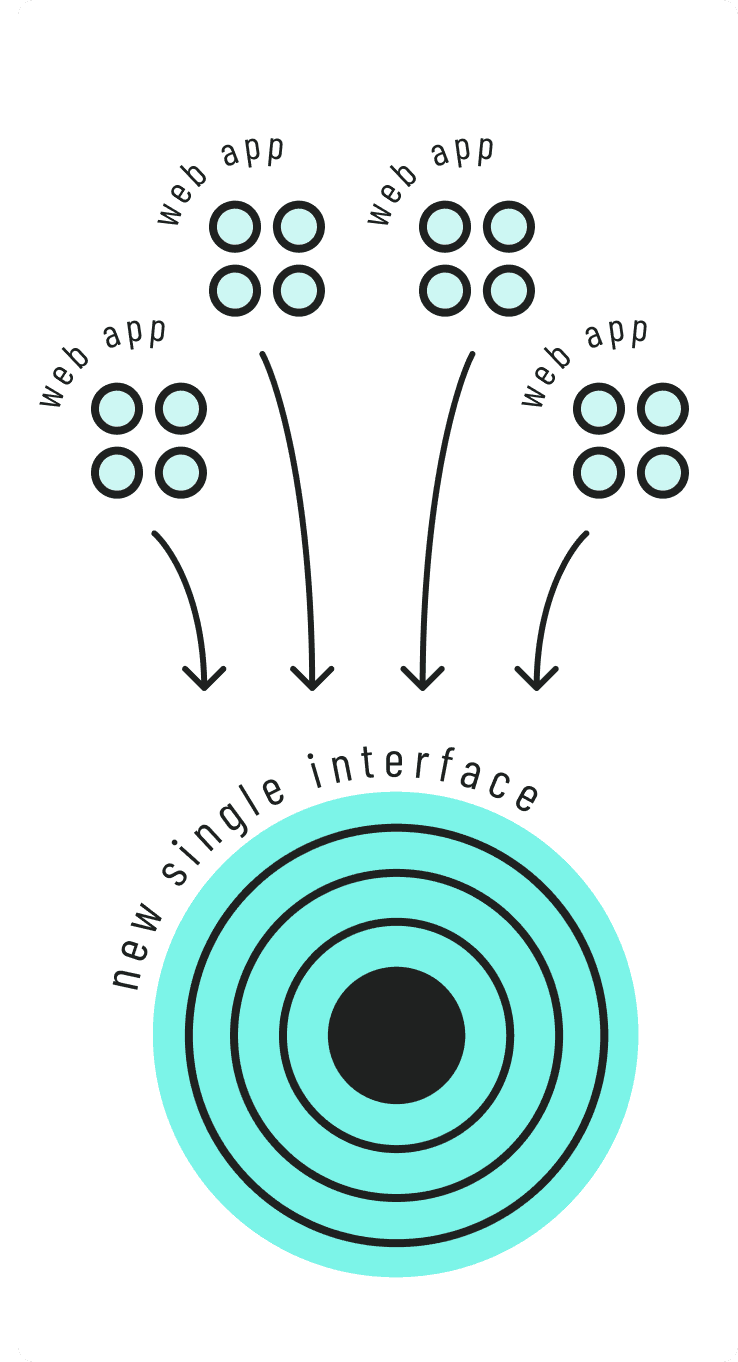
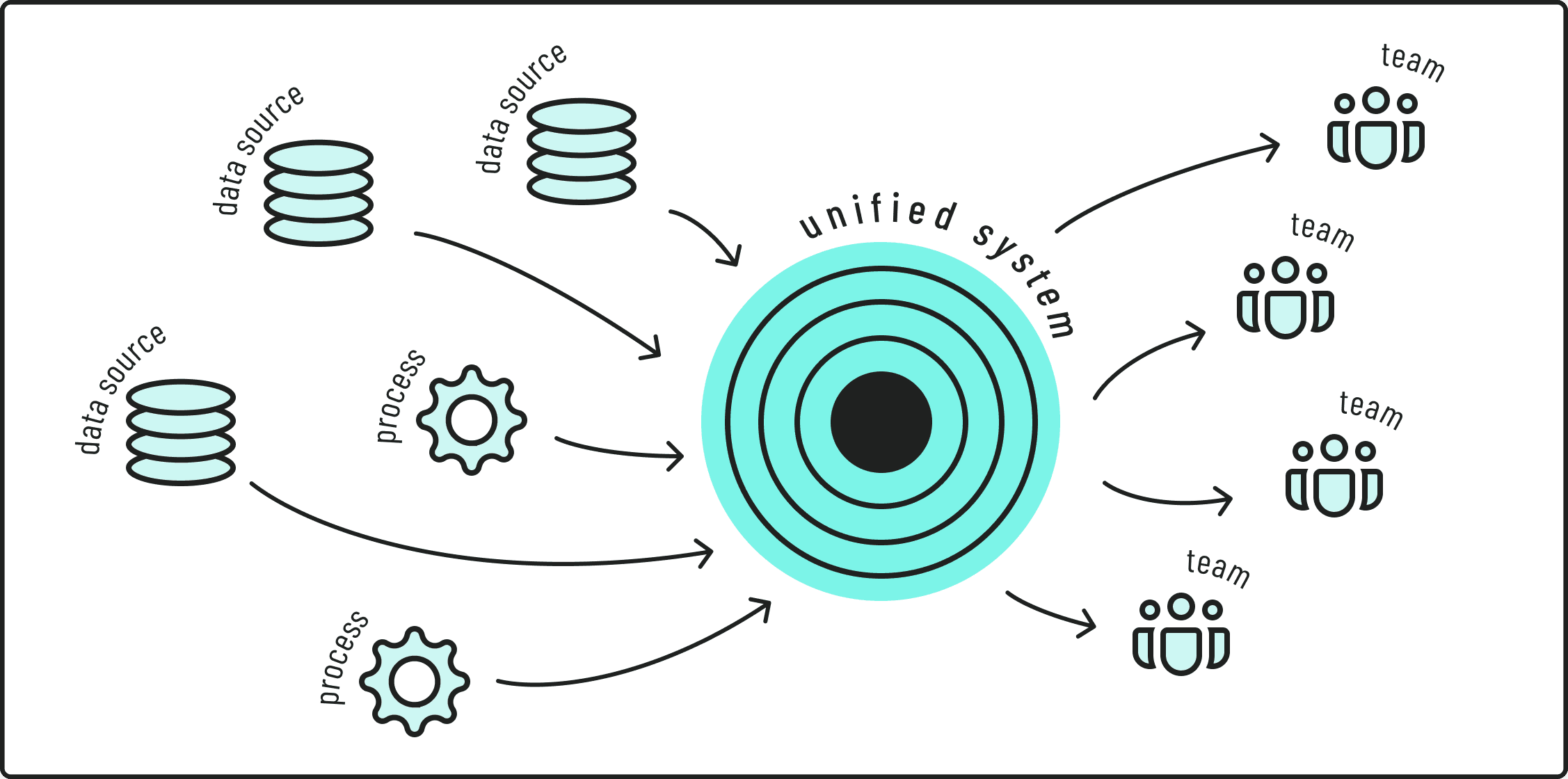
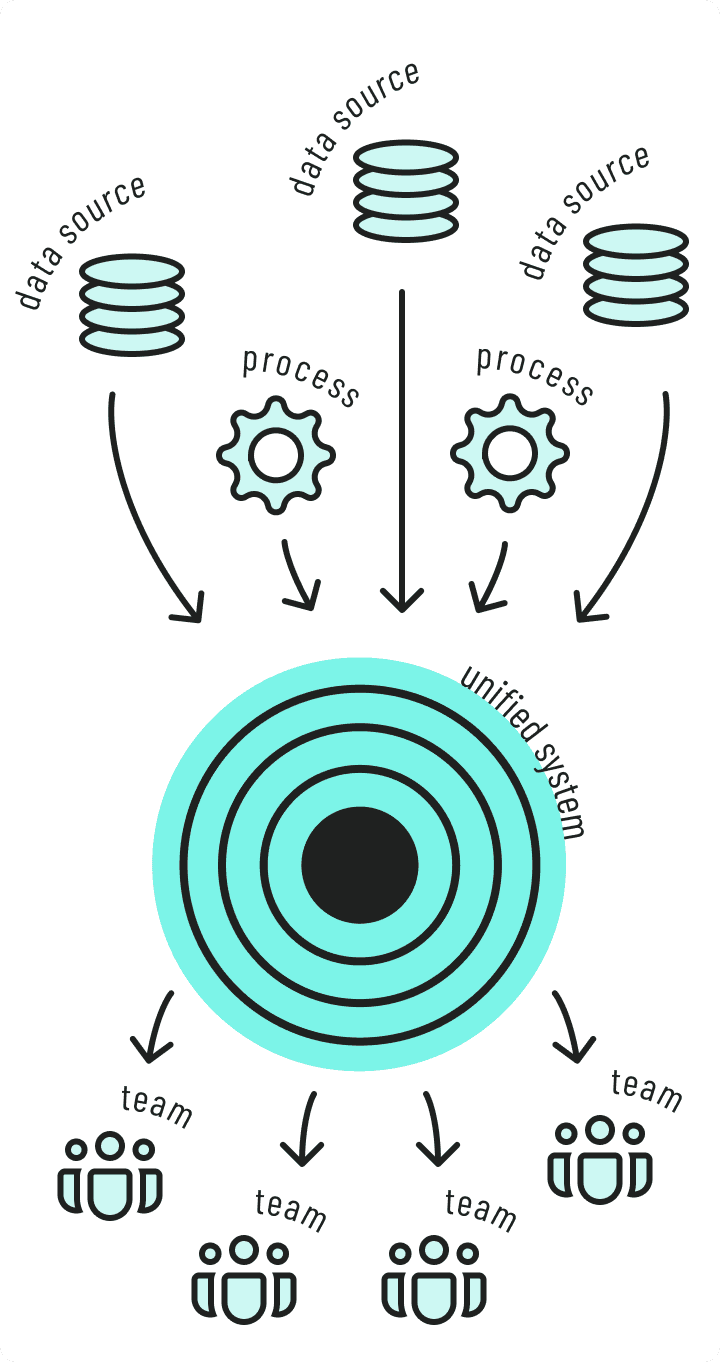
Develop a unified interface that offers seamless access to disease–gene association data, including insights from competitors and internal project portfolio, to support informed target selection. Ensure transparency in evaluation criteria and decision-making processes throughout.
Develop a unified interface that offers seamless access to disease–gene association data, including insights from competitors and internal project portfolio, to support informed target selection. Ensure transparency in evaluation criteria and decision-making processes throughout.
Develop a unified interface that offers seamless access to disease–gene association data, including insights from competitors and internal project portfolio, to support informed target selection. Ensure transparency in evaluation criteria and decision-making processes throughout.
context
context
context
Developing a comprehensive system is essential for efficient target selection within therapeutic areas. This project aims to streamline workflows, enhance transparency and improve collaboration — addressing longstanding inefficiencies that have hindered progress since 2020.
Developing a comprehensive system is essential for efficient target selection within therapeutic areas. This project aims to streamline workflows, enhance transparency and improve collaboration — addressing longstanding inefficiencies that have hindered progress since 2020.
Developing a comprehensive system is essential for efficient target selection within therapeutic areas. This project aims to streamline workflows, enhance transparency and improve collaboration — addressing longstanding inefficiencies that have hindered progress since 2020.
user problems
user problems
user problems
1
1
1
Lack of unified system:
Lack of unified system:
Lack of unified system:
Researchers and evaluators use multiple tools, resulting in inefficiency and confusion.
Researchers and evaluators use multiple tools, resulting in inefficiency and confusion.
Researchers and evaluators use multiple tools, resulting in inefficiency and confusion.
2
2
2
Unclear evaluation criteria:
Unclear evaluation criteria:
Unclear evaluation criteria:
Researchers find the criteria and decision-making process unclear and hard to navigate.
Researchers find the criteria and decision-making process unclear and hard to navigate.
Researchers find the criteria and decision-making process unclear and hard to navigate.
3
3
3
Time-consuming processes:
Time-consuming processes:
Time-consuming processes:
Manual information handling slows down research and proposal compilation.
Manual information handling slows down research and proposal compilation.
Manual information handling slows down research and proposal compilation.
4
4
4
Missing latest information:
Missing latest information:
Missing latest information:
Researchers often miss recent papers, press releases and conference abstracts.
Researchers often miss recent papers, press releases and conference abstracts.
Researchers often miss recent papers, press releases and conference abstracts.
5
5
5
Collaboration issues:
Collaboration issues:
Collaboration issues:
Poor visibility and collaboration hinder effective teamwork and information sharing.
Poor visibility and collaboration hinder effective teamwork and information sharing.
Poor visibility and collaboration hinder effective teamwork and information sharing.
business problems
business problems
business problems
1
1
1
Missed targets:
Missed targets:
Missed targets:
Company has not met its goals since 2020, impacting overall performance.
Company has not met its goals since 2020, impacting overall performance.
Company has not met its goals since 2020, impacting overall performance.
2
2
2
Inefficiencies:
Inefficiencies:
Inefficiencies:
Lack of unified database leads to repeated efforts and missed opportunities.
Lack of unified database leads to repeated efforts and missed opportunities.
Lack of unified database leads to repeated efforts and missed opportunities.
3
3
3
Extended timelines:
Extended timelines:
Extended timelines:
Prolonged ideation and submission times hamper productivity.
Prolonged ideation and submission times hamper productivity.
Prolonged ideation and submission times hamper productivity.
4
4
4
Insufficient proposals:
Insufficient proposals:
Insufficient proposals:
Low number of target proposals affects innovation and competitiveness.
Low number of target proposals affects innovation and competitiveness.
Low number of target proposals affects innovation and competitiveness.
solution
solution
solution
Mid-fidelity wireframes were created to provide a clear vision of the system while balancing speed
and detail — essential within the tight four-month timeline from analysis to testing. Around 8–10 key stakeholders, including Product Owners and target users, took part in collaborative design review sessions. These group discussions enabled immediate feedback and alignment, making the process more efficient than conducting individual interviews or usability tests. Mid-fidelity was chosen over high-fidelity to support rapid iteration while still maintaining usability and clarity. This approach allowed for fast, focused refinements, resulting in a design that met both user needs and business goals within the project’s constraints.
Mid-fidelity wireframes were created to provide a clear vision of the system while balancing speed and detail — essential within the tight four-month timeline from analysis to testing. Around 8–10 key stakeholders, including Product Owners and target users, took part in collaborative design review sessions. These group discussions enabled immediate feedback and alignment, making the process more efficient than conducting individual interviews or usability tests. Mid-fidelity was chosen over high-fidelity to support rapid iteration while still maintaining usability and clarity. This approach allowed for fast, focused refinements, resulting in a design that met both user needs and business goals within the project’s constraints.
Mid-fidelity wireframes were created to provide a clear vision of the system while balancing speed and detail — essential within the tight four-month timeline from analysis to testing. Around 8–10 key stakeholders, including Product Owners and target users, took part in collaborative design review sessions. These group discussions enabled immediate feedback and alignment, making the process more efficient than conducting individual interviews or usability tests. Mid-fidelity was chosen over high-fidelity to support rapid iteration while still maintaining usability and clarity. This approach allowed for fast, focused refinements, resulting in a design that met both user needs and business goals within the project’s constraints.
Mid-fidelity wireframes were created to provide a clear vision of the system while balancing speed and detail — essential within the tight four-month timeline from analysis to testing. Around 8–10 key stakeholders, including Product Owners and target users, took part in collaborative design review sessions. These group discussions enabled immediate feedback and alignment, making the process more efficient than conducting individual interviews or usability tests. Mid-fidelity was chosen over high-fidelity to support rapid iteration while still maintaining usability and clarity. This approach allowed for fast, focused refinements, resulting in a design that met both user needs and business goals within the project’s constraints.
Mid-fidelity wireframes were created to provide a clear vision of the system while balancing speed and detail — essential within the tight four-month timeline from analysis to testing. Around 8–10 key stakeholders, including Product Owners and target users, took part in collaborative design review sessions. These group discussions enabled immediate feedback and alignment, making the process more efficient than conducting individual interviews or usability tests. Mid-fidelity was chosen over high-fidelity to support rapid iteration while still maintaining usability and clarity. This approach allowed for fast, focused refinements, resulting in a design that met both user needs and business goals within
the project’s constraints.
01
01
01
01
Explore diseases and genes for your research
Explore diseases and genes for your research
Explore diseases and genes for your research
Explore diseases and genes for your research
02
02
02
02
Organize research in a shared space
Organize research in a shared space
Organize research in a shared space
Organize research in a shared space
03
03
03
03
Easily browse historical data for proposal creation
Easily browse historical data for proposal creation
Easily browse historical data for proposal creation
Easily browse historical data for proposal creation
04
04
04
04
Quickly access competitor information
Quickly access competitor information
Quickly access competitor information
Quickly access competitor information
05
05
05
05
Stay updated on latest news, press releases and papers
Stay updated on latest news, press releases and papers
Stay updated on latest news, press releases and papers
Stay updated on latest news, press releases and papers
06
06
06
06
Generate proposal documents with AI in seconds
Generate proposal documents with AI in seconds
Generate proposal documents with AI in seconds
Generate proposal documents with AI in seconds
07
07
07
07
Share workspace with fellow researchers and collaborate seamlessly
Share workspace with fellow researchers and collaborate seamlessly
Share workspace with fellow researchers and collaborate seamlessly
Share workspace with fellow researchers and collaborate seamlessly
08
08
08
08
Evaluate proposals and provide peer reviews – all in one place
Evaluate proposals and provide peer reviews – all in one place
Evaluate proposals and provide peer reviews – all in one place
Evaluate proposals and provide peer reviews – all in one place
success / impact
success / impact
success / impact
1
1
1
Improved ideation and submission flow:
Improved ideation and submission flow:
Improved ideation and submission flow:
A streamlined workflow reduced friction in early stages, making it easier for users to initiate and submit target proposals with clarity and confidence.
A streamlined workflow reduced friction in early stages, making it easier for users to initiate and submit target proposals with clarity and confidence.
A streamlined workflow reduced friction in early stages, making it easier for users to initiate and submit target proposals with clarity and confidence.
2
2
2
Clearer target assessment process:
Clearer target assessment process:
Clearer target assessment process:
The redesigned evaluation flow clarified criteria and steps, helping users better understand how proposals are reviewed and approved.
The redesigned evaluation flow clarified criteria and steps, helping users better understand how proposals are reviewed and approved.
The redesigned evaluation flow clarified criteria and steps, helping users better understand how proposals are reviewed and approved.
3
3
3
Centralized access to critical information:
Centralized access to critical information:
Centralized access to critical information:
Bringing tools and data into one interface made it easier for users to find and apply relevant insights during research and proposal creation.
Bringing tools and data into one interface made it easier for users to find and apply relevant insights during research and proposal creation.
Bringing tools and data into one interface made it easier for users to find and apply relevant insights during research and proposal creation.
4
4
4
Higher user engagement in proposal creation:
Higher user engagement in proposal creation:
Higher user engagement in proposal creation:
Improved structure and clearer guidance encouraged more users to contribute, leading to a higher number of proposals and stronger involvement.
Improved structure and clearer guidance encouraged more users to contribute, leading to a higher number of proposals and stronger involvement.
Improved structure and clearer guidance encouraged more users to contribute, leading to a higher number of proposals and stronger involvement.
5
5
5
Better collaboration across teams:
Better collaboration across teams:
Better collaboration across teams:
Shared access to research materials and better visibility into ongoing work fostered stronger collaboration between researchers and evaluators, enhancing alignment across teams.
Shared access to research materials and better visibility into ongoing work fostered stronger collaboration between researchers and evaluators, enhancing alignment across teams.
Shared access to research materials and better visibility into ongoing work fostered stronger collaboration between researchers and evaluators, enhancing alignment across teams.
what would i do differently?
what would i do differently?
what would i do differently?
Start with foundational user research:
Start with foundational user research:
Start with foundational user research:
Tight timelines left little room for early user interviews or testing. In future projects, I’d advocate more clearly for upfront research — even if it means narrowing the scope.
Tight timelines left little room for early user interviews or testing. In future projects, I’d advocate more clearly for upfront research — even if it means narrowing the scope.
Tight timelines left little room for early user interviews or testing. In future projects, I’d advocate more clearly for upfront research — even if it means narrowing the scope.
Set clearer expectations around constraints:
Set clearer expectations around constraints:
Set clearer expectations around constraints:
Aligning stakeholders early on around trade-offs between speed and quality could help avoid unrealistic timelines and reduce delivery pressure later.
Aligning stakeholders early on around trade-offs between speed and quality could help avoid unrealistic timelines and reduce delivery pressure later.
Aligning stakeholders early on around trade-offs between speed and quality could help avoid unrealistic timelines and reduce delivery pressure later.
Engage a broader range of users:
Engage a broader range of users:
Engage a broader range of users:
The design relied heavily on feedback from Product Owners and key users during review sessions. Involving a wider user base earlier in the process could have uncovered usability issues sooner and ensured the design reflected diverse user perspectives.
The design relied heavily on feedback from Product Owners and key users during review sessions. Involving a wider user base earlier in the process could have uncovered usability issues sooner and ensured the design reflected diverse user perspectives.
The design relied heavily on feedback from Product Owners and key users during review sessions. Involving a wider user base earlier in the process could have uncovered usability issues sooner and ensured the design reflected diverse user perspectives.
Use designs fidelity more strategically:
Use designs fidelity more strategically:
Use designs fidelity more strategically:
Mid-fidelity wireframes supported rapid iteration, but in some cases, higher fidelity could have clarified functionality or intent. Incorporating high-fidelity elements for key areas might have reduced later misalignment.
Mid-fidelity wireframes supported rapid iteration, but in some cases, higher fidelity could have clarified functionality or intent. Incorporating high-fidelity elements for key areas might have reduced later misalignment.
Mid-fidelity wireframes supported rapid iteration, but in some cases, higher fidelity could have clarified functionality or intent. Incorporating high-fidelity elements for key areas might have reduced later misalignment.
Prioritize testing earlier:
Prioritize testing earlier:
Prioritize testing earlier:
Usability testing came too late in the process. Making time for it earlier would have enabled more informed, user-driven design decisions along the way.
Usability testing came too late in the process. Making time for it earlier would have enabled more informed, user-driven design decisions along the way.
Usability testing came too late in the process. Making time for it earlier would have enabled more informed, user-driven design decisions along the way.